In my latest Survey I asked the question “What type of Birth did you have?”
I posed this question on my facebook page: Pregnancy Exercise October 2011
I was astounded by the response 2336 votes in 6 days; I was also very surprised by the results, yet they do seem to follow recent global survey results.
It’s a pity I couldn’t go through each individual vote to get an idea on which country everyone gave birth in.
Results Overall:
Vaginal deliveries
50% gave birth naturally (small percentage delivered at home- less than 1%)
A further 3% just required gas
16% had a vaginal delivery with drugs which included epidurals out of these 4.5% were induced.
Total vaginal deliveries 69%
C sections
31% had C sections of which:
24% Emergency Sections included 1.6% determined “failure to progress”
3.6% Elective
3.4% High Risk C sections including 1.5% due to Breech babies
It would be great if we could see the vaginal births rise up to 80% in total. I am sure with further education this is not too great a challenge. I believe far too many women believe that a natural birth is not possible without intervention yet looking at the results 1 in every 2 women do.
We can sometimes have far too many unnecessary interventions prior to labour and birth. We see women who are often rushed during their labours once in hospital and can be given time limits as to how long they have to push their baby out.
Hospitals do not want to see 24 hour + labours they need the rooms.
Women are starting to see and feel the benefits of exercise and staying healthy and strong during their pregnancies. The fitter you are helps you cope much better with the demands of any labour. This in itself can reduce the amount of intervention. With professionals now advising exercise during pregnancy this may help with statistics.
Medical interventions are needed in some cases at the end of the day we want a healthy baby delivered but do women really have to be subjected to endless drugs and machines whilst giving birth which in many cases are unnecessary.
I would love to hear all your views and thoughts on the results of my survey,

Pregnancyexercise.co.nz provides expert advice in Pre and Post Pregnancy Exercise and Wellness. Visit our main website http://pregnancyexercise.co.nz to exercise safely both during and beyond your pregnancy
Monday, October 31, 2011
Latest Survey results: Percentage of Natural Births Versus C Sections


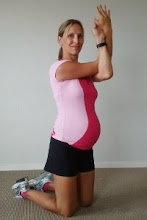 20 years Experience in the Fitness Industry. A Personal Trainer and Corrective Exercise Specialist.
I have specialized in Pregnancy and Post Natal Exercise for more than 15 Years.
My company Pregnancyexercise.co.nz is dedicated to providing professional advice during your pregnancy and beyond. I want all women to benefit from exercising both during and post pregnacy. I try to achieve this through this blog, my website and facebook sites. http://pregnancyexercise.co.nz for On-line Pregnancy and Post Natal Exercise Programs
20 years Experience in the Fitness Industry. A Personal Trainer and Corrective Exercise Specialist.
I have specialized in Pregnancy and Post Natal Exercise for more than 15 Years.
My company Pregnancyexercise.co.nz is dedicated to providing professional advice during your pregnancy and beyond. I want all women to benefit from exercising both during and post pregnacy. I try to achieve this through this blog, my website and facebook sites. http://pregnancyexercise.co.nz for On-line Pregnancy and Post Natal Exercise Programs
Monday, September 26, 2011
13 weeks Pregnant the story so far
Low Immune system, DHA supplementaion, Constipation, Headaches, Low blood Pressure and Exercise!
I also forgot to mention nausa and tierdeness!
Almost into the 2nd Tri-mester so what am I most looking forward too?

Well I’m hoping to completely shake off the cold I have carried for 8-9 weeks. I have had bronchitis, 2 rounds of anti-biotics a cough and sinus headaches at least I have had minimal pregnancy sickness or tiredness. I am sure I have had fewer pregnancy symptoms with number 3 due to a new eating plan that I am following which I will blog separatly about.
Unfortunately we have to cope with a very low immune system during pregnancy. In pregnancy, immune system suppressing cells (called regulatory T cells) increase in number to protect the baby from attack by the mother's immune system. Because these cells are busy protecting the developing baby, pregnant women aren't able to curb off infections. This is why pregnant women are more prone to catching common illnesses’ but also potentially serious disease-causing bacteria, such as Listeria. This lower immune system didn’t bother me during my 1st pregnancy , I didn’t even notice! But with a toddler during number 2 and now 2 pre-schoolers during pregnancy number 3 bringing home every winter bug out there; there isn’t much chance of me staying cold free unfortunately.
I have had to take paracetomol and antibiotics which are apparently safe to consume during pregnancy at the time of me writing this although you only have a couple of anti-biotic options. Make sure if you do need to take a pain killer that you stay away from ibrufen/neurofen. Ibrufen/neurofen is an anti-inflammatory; they can bring on miscarriage and premature labour.
I have decided to take daily folic acid, vitamin C to boost my immune system and after all the latest research cod liver oil-DHA fatty acid Omega 3.
Research indicates that the two most beneficial omega-3s are EPA (eicosapentaenoic acid) and DHA (docosahexaenoic acid). Although EPA and DHA naturally occur together and work together in the body, studies show that each fatty acid has unique benefits. EPA supports the heart, immune system, and inflammatory response. DHA supports the brain, eyes, and central nervous system which is why it is important for pregnant and lactating women. The essential Omega 3’s can be found in oily fish such as tuna and salmon. DHA can also help improve your babies’ immune system once born and with all the other benefits of this vital nutrient it seems silly to ignore.
The headaches I have been feeling although they feel like a sinus headache it seems strange that I documented strong headaches during weeks 12 and 13 in my diaries of my first 2 pregnancies so maybe the headaches are pregnancy related and not a new sinus infection? Headaches feeling like a migraine can be mild to severe during pregnancy and there is still no explanation or reason for them.
I am quite lucky during this pregnancy that I only felt a “bit off” during weeks 7-9. I go off coffee in these weeks and don’t feel like many foods I would normally eat. I am still off dates which I am normally addicted too. I call this phase “The Pregnancy Hangover” you feel hung-over everyday but have not enjoyed a night out or a drink prior to your sickness you can also feel like your butt is glued to the couch!
I have still managed to stay fairly active, not as much as I would have liked due to the coughs and colds. I didn’t really feel like exercising weeks 6-7 so I didn’t do anything during this time. Your body sometime just needs to rest, you are growing a baby and it is best you get use to listening to your body now.
I do find though that exercise during your 1st tri-mester has many benefits if you don’t feel too tired or nauseas- I will have a separate blog, photographs and videos for all the exercise I do and why during this pregnancy so you can follow.
Benefits of Exercise during the first 5-12 weeks:
 1 Can set you up for the rest of your pregnancy: maintain a routine, get use to exercising at a slower pace and lower intensity and you can start to concentrate on specific pregnancy exercise and posture correction.
2 Can help with constipation which is a condition that is common due to the pregnancy hormone progesterone. Progesterone slows down the food process and your intestines get squished out of the way quite quickly making way early for your growing uterus.
3 Can help increase low blood pressure. Low blood pressure can be another early pregnancy symptom but tends to be more common from weeks 11-23. Exercise can help to increase low blood pressure which may stop you from feeling dizzy or lightheaded during the day. If you do suffer from low blood pressure I have also found that eating small amounts of food every 2 hours really helps.
Please comment, let me know where you are up to during your pregnancy or if you need further information on pregnancy exercise, nutrition or pregnancy symptoms. Follow me on facebook Pregnancy Exercise-link on this blog page and you can purchase your own pre or post natal exercise program designed by me from http://pregnancyexercise.co.nz
I also forgot to mention nausa and tierdeness!
Almost into the 2nd Tri-mester so what am I most looking forward too?

Well I’m hoping to completely shake off the cold I have carried for 8-9 weeks. I have had bronchitis, 2 rounds of anti-biotics a cough and sinus headaches at least I have had minimal pregnancy sickness or tiredness. I am sure I have had fewer pregnancy symptoms with number 3 due to a new eating plan that I am following which I will blog separatly about.
Unfortunately we have to cope with a very low immune system during pregnancy. In pregnancy, immune system suppressing cells (called regulatory T cells) increase in number to protect the baby from attack by the mother's immune system. Because these cells are busy protecting the developing baby, pregnant women aren't able to curb off infections. This is why pregnant women are more prone to catching common illnesses’ but also potentially serious disease-causing bacteria, such as Listeria. This lower immune system didn’t bother me during my 1st pregnancy , I didn’t even notice! But with a toddler during number 2 and now 2 pre-schoolers during pregnancy number 3 bringing home every winter bug out there; there isn’t much chance of me staying cold free unfortunately.
I have had to take paracetomol and antibiotics which are apparently safe to consume during pregnancy at the time of me writing this although you only have a couple of anti-biotic options. Make sure if you do need to take a pain killer that you stay away from ibrufen/neurofen. Ibrufen/neurofen is an anti-inflammatory; they can bring on miscarriage and premature labour.
I have decided to take daily folic acid, vitamin C to boost my immune system and after all the latest research cod liver oil-DHA fatty acid Omega 3.
Research indicates that the two most beneficial omega-3s are EPA (eicosapentaenoic acid) and DHA (docosahexaenoic acid). Although EPA and DHA naturally occur together and work together in the body, studies show that each fatty acid has unique benefits. EPA supports the heart, immune system, and inflammatory response. DHA supports the brain, eyes, and central nervous system which is why it is important for pregnant and lactating women. The essential Omega 3’s can be found in oily fish such as tuna and salmon. DHA can also help improve your babies’ immune system once born and with all the other benefits of this vital nutrient it seems silly to ignore.
The headaches I have been feeling although they feel like a sinus headache it seems strange that I documented strong headaches during weeks 12 and 13 in my diaries of my first 2 pregnancies so maybe the headaches are pregnancy related and not a new sinus infection? Headaches feeling like a migraine can be mild to severe during pregnancy and there is still no explanation or reason for them.
I am quite lucky during this pregnancy that I only felt a “bit off” during weeks 7-9. I go off coffee in these weeks and don’t feel like many foods I would normally eat. I am still off dates which I am normally addicted too. I call this phase “The Pregnancy Hangover” you feel hung-over everyday but have not enjoyed a night out or a drink prior to your sickness you can also feel like your butt is glued to the couch!
I have still managed to stay fairly active, not as much as I would have liked due to the coughs and colds. I didn’t really feel like exercising weeks 6-7 so I didn’t do anything during this time. Your body sometime just needs to rest, you are growing a baby and it is best you get use to listening to your body now.
I do find though that exercise during your 1st tri-mester has many benefits if you don’t feel too tired or nauseas- I will have a separate blog, photographs and videos for all the exercise I do and why during this pregnancy so you can follow.
Benefits of Exercise during the first 5-12 weeks:

2 Can help with constipation which is a condition that is common due to the pregnancy hormone progesterone. Progesterone slows down the food process and your intestines get squished out of the way quite quickly making way early for your growing uterus.
3 Can help increase low blood pressure. Low blood pressure can be another early pregnancy symptom but tends to be more common from weeks 11-23. Exercise can help to increase low blood pressure which may stop you from feeling dizzy or lightheaded during the day. If you do suffer from low blood pressure I have also found that eating small amounts of food every 2 hours really helps.
Please comment, let me know where you are up to during your pregnancy or if you need further information on pregnancy exercise, nutrition or pregnancy symptoms. Follow me on facebook Pregnancy Exercise-link on this blog page and you can purchase your own pre or post natal exercise program designed by me from http://pregnancyexercise.co.nz
20 years Experience in the Fitness Industry. A Personal Trainer and Corrective Exercise Specialist.
I have specialized in Pregnancy and Post Natal Exercise for more than 15 Years.
My company Pregnancyexercise.co.nz is dedicated to providing professional advice during your pregnancy and beyond. I want all women to benefit from exercising both during and post pregnacy. I try to achieve this through this blog, my website and facebook sites. http://pregnancyexercise.co.nz for On-line Pregnancy and Post Natal Exercise Programs
Monday, August 29, 2011
Wrong diagnosis of Diastasis recti
I have been motivated to write yet another blog on this subject after the poor testing by a midwife on my client.
I’m not sure how many post natal women are aware of diastasis recti- abdominal separation.
Diastasis recti is a condition where the two right and left sides of the rectus abdominis (your "six-pack" muscle) spreads apart at the body's mid-line (the linea alba). Separation occurs in response to your uterus pushing against the abdominal wall and pregnancy hormones soften connective tissue. Separation can occur at any time in the last half of pregnancy but is most problematic after pregnancy when the abdominal wall is weak, when there is no longer a baby inside to aid support.
 As separation occurs during late pregnancy women who give birth prematurely before 33 weeks may have minimal separation were as women who carry up to 40 weeks, carry a multi and are not aware of posture or the benefits of exercise can increase the separation during their pregnancy.
Many women aren’t aware of the separation occurring as you feel no symptoms or pain during pregnancy it is only when baby is out that many women start to suffer from lower back and hip pain or notice many months late that they can’t get rid of their post baby tummy.
My client had a 2nd emergency C section and after being recommended by her specialist to wear a surgical belt for 2 weeks post her midwife tested her separation at 3 weeks post operation and said she was fine. I had my doubts but my client was very happy so I didn’t want to disappoint her just yet.
It was the following week at 4 weeks post baby that I tested her. She had a 6-7 cm vertical gap and a 3 cm horizontal gap. Her midwife had completely misdiagnosed her separation, fortunately for my client she has me as her trainer so has now been recommend to do the correct exercises to re-hab her correctly and she should have minimal if any gap in 6 weeks.
If my client was not under a post natal specialist after the diagnosis from her midwife she had the right to assume that she could go back to any form of exercise and possible do exercises that can increase the separation.
Education and the correct testing of this condition is the key. If you exercise correctly and have good post natal posture then you can decrease your diastasis recti completely. If you do the wrong exercises such as planks and crunches, continually hold poor post natal posture, push a buggy with poor form and technique then you are setting yourself up to have lower back pain and a tummy that won’t go away. Along with a gap in your tummy that could still be there 5 years later.
I am not suggesting that all midwives wrongly diagnose this condition what I am saying is that your midwife or LMC needs to correctly assess if testing you for diastasis recti. If in doubt get checked by a professional or contact me for further advice on testing for separation
12 week post natal exercise programs which include exercises to decrease diastasis recti and correct poor post natal posture available on my website http://pregnancyexercise.co.nz
I’m not sure how many post natal women are aware of diastasis recti- abdominal separation.
Diastasis recti is a condition where the two right and left sides of the rectus abdominis (your "six-pack" muscle) spreads apart at the body's mid-line (the linea alba). Separation occurs in response to your uterus pushing against the abdominal wall and pregnancy hormones soften connective tissue. Separation can occur at any time in the last half of pregnancy but is most problematic after pregnancy when the abdominal wall is weak, when there is no longer a baby inside to aid support.

Many women aren’t aware of the separation occurring as you feel no symptoms or pain during pregnancy it is only when baby is out that many women start to suffer from lower back and hip pain or notice many months late that they can’t get rid of their post baby tummy.
My client had a 2nd emergency C section and after being recommended by her specialist to wear a surgical belt for 2 weeks post her midwife tested her separation at 3 weeks post operation and said she was fine. I had my doubts but my client was very happy so I didn’t want to disappoint her just yet.
It was the following week at 4 weeks post baby that I tested her. She had a 6-7 cm vertical gap and a 3 cm horizontal gap. Her midwife had completely misdiagnosed her separation, fortunately for my client she has me as her trainer so has now been recommend to do the correct exercises to re-hab her correctly and she should have minimal if any gap in 6 weeks.
If my client was not under a post natal specialist after the diagnosis from her midwife she had the right to assume that she could go back to any form of exercise and possible do exercises that can increase the separation.
Education and the correct testing of this condition is the key. If you exercise correctly and have good post natal posture then you can decrease your diastasis recti completely. If you do the wrong exercises such as planks and crunches, continually hold poor post natal posture, push a buggy with poor form and technique then you are setting yourself up to have lower back pain and a tummy that won’t go away. Along with a gap in your tummy that could still be there 5 years later.
I am not suggesting that all midwives wrongly diagnose this condition what I am saying is that your midwife or LMC needs to correctly assess if testing you for diastasis recti. If in doubt get checked by a professional or contact me for further advice on testing for separation
12 week post natal exercise programs which include exercises to decrease diastasis recti and correct poor post natal posture available on my website http://pregnancyexercise.co.nz
20 years Experience in the Fitness Industry. A Personal Trainer and Corrective Exercise Specialist.
I have specialized in Pregnancy and Post Natal Exercise for more than 15 Years.
My company Pregnancyexercise.co.nz is dedicated to providing professional advice during your pregnancy and beyond. I want all women to benefit from exercising both during and post pregnacy. I try to achieve this through this blog, my website and facebook sites. http://pregnancyexercise.co.nz for On-line Pregnancy and Post Natal Exercise Programs
Sunday, August 7, 2011
When and How to Exercise Post a 'C' Section

It is crucial following a 'C' section that you allow your body to not only recovery from your pregnancy but also from abdominal surgery.
You have just had major surgery and depending on how your baby was delivered will affect your recovery.
If you elected or had to have an elected ‘C ‘ section your body has possibly not gone in to labour naturally so it can be a little harder preparing mentally for this and your body and baby may not be ready on the selected date of surgery.
If you have gone in to labour and then had to have and emergency C section your body responds better post as it had gone into labour naturally, you and your baby were ready. Your brain and body had registered that pregnancy was ending.
In the days that follow a ' C' you can be in minimal to quite a lot of pain. You need to take pain killers during the first 1-10 days.
You should not have increasing pain from 4-5 days post you should at this stage be able to get out of bed carefully and move around a little easier. This is normally when you are allowed to go home.
If you exercised during your pregnancy you are now at a huge advantage you will recover quicker and up to 80% quicker than women who didn't exercise during pregnancy.
To protect your tender areas you can use your upper body and leg strength to lift you up out of bed or a chair avoiding stretching the area where your stitches are.
The first exercise to do to promote recovery when you have minimal pain is to have a look at your tummy muscles and see if you can activate your transverse abdominal muscles this is a very simple activation exercise.
See if you can pull your belly button in towards your spine activating your T.V.A-transverse abdominal muscle and rectus abdominal, just gently, no quick and fast pull ins. Just see if you can do it slowly. Avoid trying to contract all the way in, just a little is all you need to do. You should feel no pain. You should not be activating any other muscle or tilting your pelvis underneath you.
If you do feel pain try the activation exercise 1-2 days later.
For more information on how to connect with your T.V.A muscles post birth go to http://positivelypregnant-mummytrainer.blogspot.co.nz/2012/07/how-to-activate-transverse-abdominal.html on this site
Try to do this early activation exercise each time you lift your baby up, when you change and carry them.
From 2-3 weeks post you should try to activate your tummy muscles as often as you can.
You should not feel any pain. At this stage you are ready to start a Post Natal Corrective exercise Program. Have a look at the very popular Birth2FitMum program that I sell on my website http://pregnancyexercise.co.nz
Can I go for a Walk?
You may feel you are ready for a walk from days 10-14 post depending on the exercise you did prior to birth if you are still sore it may take another 7-10 days before you feel like steping out. It may even take another 4 weeks if you are unfit from lack of exercise or bed rest prior to giving birth.
Walking Post ‘C’ Section
Start with a small 10-15 minute walk by yourself, don't go with baby in the buggy just yet! Pushing baby in a buggy can add too much stress too soon to the delicate area as you need to try to control the buggy with your muscles especially going downhill. You can add the buggy from 4-5 weeks and starting off with a flat route can be best.
This is a walking program that you can follow post:
Walk by yourself from day 12-21
Start with 10-15 minutes. If you feel ANY pain stop, try again in 2-3 days. If you have no pain you can repeat 48 hours later. Repeat the same walk time 3 times, each time leaving 48 hours between. If after the 3x 10-15 minute walks there is no pain you can increase your time by 5 minutes and then repeat the program.
Now you can walk 15 minutes every other day, do this 3 times. Again adding 5 minutes after every 3 walks of the same time.
Do this until you are walking 3-4 times a week for 45 minutes with no pain.
This walking program is just walking. It is not exercise and there is minimal effort required it is just a WALK.
Once you can walk pain free for 30 minutes 3-4 times a week you can try to push your baby in a buggy. If you are less than 8 weeks post take it easy and try to stay on the flat. It is a good idea if you can go with a friend so they can take over on the up and down-hills. It is hard to push your baby up-hill as this puts a huge strain on your core muscles and down-hill is just as hard as you have to try to stabilize your buggy with weak muscles. Try to avoid.
After 8 weeks you can increase your walking pace and intensity, don’t go out and walk fast for 45 minutes, you need to build slowly. Try 10 minutes at 70-75% Intensity -aerobic intensity exercise, you know you are exercising but you are not pushing yourself too hard- If this feels ok and you experience no pain try 20 minutes fast on your next walk and then try 30 minutes the following week.
You don’t need to walk hard on every walk, try to do 3 walks a week when you walk faster and at a higher intensity.
Remember everyone is different and recovers at different levels, if you are following my Birth2fitmum program you may feel like you can do more especially if you are sleeping! Listen to your body and use this as your guide, just like you did during your pregnancy
Strength Exercise over Cardio Post C section?
Your strength and rehabilitation exercises are more important than your cardio fitness post birth but its nice to be able to get out of the house and be pain free.
You should do a specific strengthening exercise program 3-4 times a week post a C section starting from 7-14 days post. If you can do this you would be back to full core strength within 14-20 weeks depending on when you started your abdominal separation and core strength. Test your post pregnancy abdominal muscle separation-diastasis recti here.http://positivelypregnant-mummytrainer.blogspot.co.nz/2012/06/diastasis-recti-self-test-post.html
A good program will decrease abdominal separation, increase core and glute strength and focus on postural muscle strengthening exercises.
The benefit of not pushing your baby out is that your pelvic floor muscles are probably ok! You still need to do your pelvic floor muscle exercises post birth as they help to activate your TVA's!
Please feel free to comment and ask further questions. This is just a short guide.
If you want to purchase your own specific and safe post pregnancy 12 week program please contact me for a FREE 2 week Trial Lorraine@pregnancyexercise.co.nz
Remember the golden rule. You need to check with your G.P or LMC before starting any exercise program.
20 years Experience in the Fitness Industry. A Personal Trainer and Corrective Exercise Specialist.
I have specialized in Pregnancy and Post Natal Exercise for more than 15 Years.
My company Pregnancyexercise.co.nz is dedicated to providing professional advice during your pregnancy and beyond. I want all women to benefit from exercising both during and post pregnacy. I try to achieve this through this blog, my website and facebook sites. http://pregnancyexercise.co.nz for On-line Pregnancy and Post Natal Exercise Programs
Tuesday, August 2, 2011
Mel B- Eating for England
Headlines today August 2nd is Melanie Brown aka Scary spice is “Eating for England” during her 3rd pregnancy.
Mel admits she has put on a whopping 64lbs which is 29kg. This is reported not to worry her as she knows she is active and will be able to get the extra pregnancy weight off.
http://tvnz.co.nz/entertainment-news/mel-b-eating-england-during-pregnancy-4336017

What are your thoughts on this?
Here are mine:
Firstly she has put on a lot of extra pregnancy weight and may have increased her chances of developing gestational diabetes with such rapid weight gains.
She may have also increased diastasis recti-abdominal separation and increased her chances of developing stretch marks. These are just 3 reasons why not to put on extra pregnancy weight.
I don’t think this is a good advert for other pregnant women. Although on the other hand we generally see the opposite of stars, so which is best? We need to see the middle ground more often as I know women are influenced by the stars.
Mel B may have also started off at a lower weight than most women and if she was underweight at the start of her pregnancy then she may have not packed on as many extra kilos as the recent article suggests?
Women have to remember that Mel B is normally active and will have lots of professional help after the birth of her baby. So although it will not be easy for Mel to lose the extra weight, she will have many helpers.
What do you think, has Mel B put on too much weight?
Mel admits she has put on a whopping 64lbs which is 29kg. This is reported not to worry her as she knows she is active and will be able to get the extra pregnancy weight off.
http://tvnz.co.nz/entertainment-news/mel-b-eating-england-during-pregnancy-4336017

What are your thoughts on this?
Here are mine:
Firstly she has put on a lot of extra pregnancy weight and may have increased her chances of developing gestational diabetes with such rapid weight gains.
She may have also increased diastasis recti-abdominal separation and increased her chances of developing stretch marks. These are just 3 reasons why not to put on extra pregnancy weight.
I don’t think this is a good advert for other pregnant women. Although on the other hand we generally see the opposite of stars, so which is best? We need to see the middle ground more often as I know women are influenced by the stars.
Mel B may have also started off at a lower weight than most women and if she was underweight at the start of her pregnancy then she may have not packed on as many extra kilos as the recent article suggests?
Women have to remember that Mel B is normally active and will have lots of professional help after the birth of her baby. So although it will not be easy for Mel to lose the extra weight, she will have many helpers.
What do you think, has Mel B put on too much weight?
20 years Experience in the Fitness Industry. A Personal Trainer and Corrective Exercise Specialist.
I have specialized in Pregnancy and Post Natal Exercise for more than 15 Years.
My company Pregnancyexercise.co.nz is dedicated to providing professional advice during your pregnancy and beyond. I want all women to benefit from exercising both during and post pregnacy. I try to achieve this through this blog, my website and facebook sites. http://pregnancyexercise.co.nz for On-line Pregnancy and Post Natal Exercise Programs
Monday, July 25, 2011
3 Must do Exercises Post Pregnancy
Why is post pregnancy exercise so Important?
If you do not do corrective exercise post pregnancy then you have a very high chance of developing lower back and hip pain and you will find it almost impossible to correct diastasis-recti abdominal separation which happens during late pregnancy. You will also find it harder to lose your baby tummy.
After the birth of your baby you no longer have your baby inside to support you. You need to activate the muscles around your torso for support and sooner rather than later.
If you leave it for too long it becomes much harder to activate the weakened muscles. These muscles support you, you need them and you need them to be strong.
You cannot hold good posture with weak core muscles.
Poor posture alone is enough to increase back pain and stop you from seeing results around your mid-section. The exercises will also help with your post pregnancy posture.
Doing the exercises below and following the full 12 week post pregnancy exercise program could save you a fortune in physiotherapist and doctors’ fees!
Unless you have had a ‘C’ section you can start these exercises 4-5 days after giving birth. If you have had a ‘C’ section you can visit my website for more info or contact me Lorraine@pregnancyexercise.co.nz . I normally suggest to start exercising 3 weeks post a 'C' but activation of the T.V.A muscles is needed before that. I have more post natal exercise guides on my website: http://pregnancyexercise.co.nz
Exercise 1: Lower abdominal activation: 4 Point Kneeling

The 1st Exercise you need to do post pregnancy is Activate your T.V.A muscles-transverse abdominal.
The best way to activate the muscle is in this 4 point kneeling position:
Hands shoulder width apart and knees hip width, maintain neutral spine as in the photograph.
Now completely relax your tummy muscles, let them hang down but don’t relax your good posture so don’t sink into your shoulders. This position helps your brain activate the weakened muscles.
Next draw your belly button up-towards your spine, do this very slowly. Can you feel your tummy muscles working? You should feel and see your tummy lift up and feel your waist narrow slightly. Try to hold for 3-5 breaths then relax your tummy back down. Repeat this 3-5 times and do 2-3 times a day. You can do this exercise whilst you’re changing your baby on the floor or playing with them.
Don’t forget to think about your posture during the day, activate your T.V.A muscles every time you pick your baby up or carry them. More information on how to activate your T.V.A muscles: http://pregnancyexercise.co.nz/information/post-natal/how-soon-can-i-exercise
Side Leg Raises

Exercise to strengthen weak hip stabilizing muscles-Gluteus Medius
This exercise is simple to do however you need to get this exercise right so you target the weak muscle and don’t use the stronger dominant leg muscles -your quadriceps. It is best before commencing this exercise that you perform a leg stretch. I suggest a side lying quadriceps and I.T Band stretch. Stretching a dominant muscle puts that muscle to sleep for a short period so you can activate the weaker muscle a little easier.
Exercise: Lying on your side stretched out. Bottom leg underneath you is bent for support lift the top leg up, lifting it backwards slightly. Keep your hip bones vertical as you lift making sure you are activating your T.V.A, abdominal and oblique muscles to stabilize your spine. Place you hand on your glute muscle so you can feel the muscle activating. Don’t feel this exercise in your quads-the front of your legs. Lower down and repeat 8-10 times completing 2-3 sets. Don’t do more if you are using the wrong muscle group. With good form and technique less is better.
Hip Extension

Exercise will target Core muscles and glutes
Activate your T.V.A muscles, rectus abdominal and oblique’s. Place more of your body weight into your heels. Push through your heel and lift your hips up. Keep your hip bones level.
You should not drop your hip to one side, nor should you feel your hamstring muscles cramping or dominating the exercise. Lower back to the floor, you need to feel that you are using your glute-butt muscles
If you do feel the exercise in your hamstring muscle, stop and stretch
The 3 exercises above are just a sample of the exercises that are included in the Post Pregnancy 12 week Program that I offer on the website. The 12 week program is less than $4.20 a week and you can buy it on the site today http://pregnancyexercise.co.nz
Do the above exercises 3-4 times a week. This is just a brief guide so any comments or questions please post
If you feel any pain or discomfort whilst exercising, stop. If pain continues consult you L.M.C or G.P.
The information included in this article has been written by Lorraine Scapens: She is not able to provide you with medical advice; information is used as a guide. You cannot hold Lorraine liable in any way for any injuries that may occur whilst training.
Lorraine has 20 years’ experience training pregnant and post natal women. She is a Personal Trainer and Corrective Exercise Specialist http://pregnancyexercise.co.nz email: lorraine@pregnancyexercise.co.nz
If you do not do corrective exercise post pregnancy then you have a very high chance of developing lower back and hip pain and you will find it almost impossible to correct diastasis-recti abdominal separation which happens during late pregnancy. You will also find it harder to lose your baby tummy.
After the birth of your baby you no longer have your baby inside to support you. You need to activate the muscles around your torso for support and sooner rather than later.
If you leave it for too long it becomes much harder to activate the weakened muscles. These muscles support you, you need them and you need them to be strong.
You cannot hold good posture with weak core muscles.
Poor posture alone is enough to increase back pain and stop you from seeing results around your mid-section. The exercises will also help with your post pregnancy posture.
Doing the exercises below and following the full 12 week post pregnancy exercise program could save you a fortune in physiotherapist and doctors’ fees!
Unless you have had a ‘C’ section you can start these exercises 4-5 days after giving birth. If you have had a ‘C’ section you can visit my website for more info or contact me Lorraine@pregnancyexercise.co.nz . I normally suggest to start exercising 3 weeks post a 'C' but activation of the T.V.A muscles is needed before that. I have more post natal exercise guides on my website: http://pregnancyexercise.co.nz
Exercise 1: Lower abdominal activation: 4 Point Kneeling

The 1st Exercise you need to do post pregnancy is Activate your T.V.A muscles-transverse abdominal.
The best way to activate the muscle is in this 4 point kneeling position:
Hands shoulder width apart and knees hip width, maintain neutral spine as in the photograph.
Now completely relax your tummy muscles, let them hang down but don’t relax your good posture so don’t sink into your shoulders. This position helps your brain activate the weakened muscles.
Next draw your belly button up-towards your spine, do this very slowly. Can you feel your tummy muscles working? You should feel and see your tummy lift up and feel your waist narrow slightly. Try to hold for 3-5 breaths then relax your tummy back down. Repeat this 3-5 times and do 2-3 times a day. You can do this exercise whilst you’re changing your baby on the floor or playing with them.
Don’t forget to think about your posture during the day, activate your T.V.A muscles every time you pick your baby up or carry them. More information on how to activate your T.V.A muscles: http://pregnancyexercise.co.nz/information/post-natal/how-soon-can-i-exercise
Side Leg Raises

Exercise to strengthen weak hip stabilizing muscles-Gluteus Medius
This exercise is simple to do however you need to get this exercise right so you target the weak muscle and don’t use the stronger dominant leg muscles -your quadriceps. It is best before commencing this exercise that you perform a leg stretch. I suggest a side lying quadriceps and I.T Band stretch. Stretching a dominant muscle puts that muscle to sleep for a short period so you can activate the weaker muscle a little easier.
Exercise: Lying on your side stretched out. Bottom leg underneath you is bent for support lift the top leg up, lifting it backwards slightly. Keep your hip bones vertical as you lift making sure you are activating your T.V.A, abdominal and oblique muscles to stabilize your spine. Place you hand on your glute muscle so you can feel the muscle activating. Don’t feel this exercise in your quads-the front of your legs. Lower down and repeat 8-10 times completing 2-3 sets. Don’t do more if you are using the wrong muscle group. With good form and technique less is better.
Hip Extension

Exercise will target Core muscles and glutes
Activate your T.V.A muscles, rectus abdominal and oblique’s. Place more of your body weight into your heels. Push through your heel and lift your hips up. Keep your hip bones level.
You should not drop your hip to one side, nor should you feel your hamstring muscles cramping or dominating the exercise. Lower back to the floor, you need to feel that you are using your glute-butt muscles
If you do feel the exercise in your hamstring muscle, stop and stretch
The 3 exercises above are just a sample of the exercises that are included in the Post Pregnancy 12 week Program that I offer on the website. The 12 week program is less than $4.20 a week and you can buy it on the site today http://pregnancyexercise.co.nz
Do the above exercises 3-4 times a week. This is just a brief guide so any comments or questions please post
If you feel any pain or discomfort whilst exercising, stop. If pain continues consult you L.M.C or G.P.
The information included in this article has been written by Lorraine Scapens: She is not able to provide you with medical advice; information is used as a guide. You cannot hold Lorraine liable in any way for any injuries that may occur whilst training.
Lorraine has 20 years’ experience training pregnant and post natal women. She is a Personal Trainer and Corrective Exercise Specialist http://pregnancyexercise.co.nz email: lorraine@pregnancyexercise.co.nz
20 years Experience in the Fitness Industry. A Personal Trainer and Corrective Exercise Specialist.
I have specialized in Pregnancy and Post Natal Exercise for more than 15 Years.
My company Pregnancyexercise.co.nz is dedicated to providing professional advice during your pregnancy and beyond. I want all women to benefit from exercising both during and post pregnacy. I try to achieve this through this blog, my website and facebook sites. http://pregnancyexercise.co.nz for On-line Pregnancy and Post Natal Exercise Programs
Wednesday, July 20, 2011
Belly Belts? Should you wear Pregnancy Support Belts?

Let me tell you a little bit about my experience as a personal trainer and corrective exercise specialist.
During the 15 years I have trained pregnant and post natal females none of my clients have needed or required to use the pregnancy support belts.
What are they?
The belts are generally made of neoprene, a wide belt that fastens under your uterus.
The companies that sell these belts advertise that the belts offer support to your growing uterus, reduce back and hip pain along with decreasing diastasis recti-abdominal separation post pregnancy.
Belts can be bought off the internet and are known by many names such as belly belts, my smiley belt and pregnancy belts.
Physiotherapists and midwives can and will recommend the usage of the support belts.
What professionals should be doing is educating pregnant women on the importance of good posture and maintaining an exercise program. Prevention is a much better option.
Do you need to wear a belt?
You shouldn’t need to wear support belts during your pregnancy but if you have poor posture, have a job that requires a lot of time on your feet, have gained excess pregnancy weight, a multiple pregnancy, have had previous hip and back pain then these factors may require you to use a support. These factors however should not determine the use of the support belts.

Advised to wear a belt?
If you have to wear a pregnancy support belt then your midwife or physiotherapist should advise you to also do corrective exercise and avoid positions that increase your pain. There are many articles on my site http://pregnancyexercise.co.nz about the benefits of good pregnancy posture and the correct exercise to do.
You should NOT wear the belts for more than a couple of hours a day. This is due to the fact that your body will start to rely on the belt for support not your muscles with prolonged use. You are switching off your core muscles and you could weaken the muscles further with prolonged over-use of the belts.
If you do have to wear one LIMIT the time wearing the belt and do your exercises to prevent the condition from getting worse. Long term use of the support belts can deactivate your muscles this could make your back and hip pain worse!
Poor Posture and weak abdominal muscles can reduce how efficiently you carry the weight of your uterus. The strain of a big baby, a multiple pregnancy and excessive weight gain during pregnancy can increase hip instability and abdominal separation.
If muscles are weak and overstretched they can no longer do the job that they are supposed to do which is support you. So another support is required, a belt!
What can I do to Prevent wearing the Support Belts?
It is extremely important during your pregnancy that you perform exercises that will engage the hip stabilizing muscles your glutes. The gluteus maximus and gluteus medius muscles must remain strong during pregnancy to reduce excess pelvic instability. Pelvis instability causes many problems such as SPD-Symphsis pubis dysfunction, Sciatic pain, Hip and lower back pain: The blog I wrote in a previous post explains more on lower back and hip pain associated with pelvis instability: http://positivelypregnant-mummytrainer.blogspot.com/2011/06/are-you-suffering-from-hip-and-lower.html
Why Is Corrective Pregnancy Exercise so Important?
If you exercise correctly with exercises that target your glutes and activate your core muscles with stabilizing exercises such as lunges, ballerinas and one leg hip hitches (NOT CRUNCHES or PLANKS) you should not have to wear the belts.
Try to avoid needing a belt by following a pregnancy exercise program and adopting good posture.
My Pregnancy Programs include all the exercise and advice you need to exercise safely and reduce back and hip pain during your pregnancy:http://pregnancyexercise.co.nz/services/alias
If you have any questions about this article please comment or Post on facebook: http://www.facebook.com/pregnancyexercise
Visit my website; http://pregnancyexercise.co.nz Email: Lorraine@pregnancyexercise.co.nz
If you feel any pain or discomfort whilst exercising, stop. If pain continues consult you L.M.C or G.P
The information included in this article has been written by Lorraine Scapens: She is not able to provide you with medical advice the information is used as guidelines. You cannot hold Lorraine liable in any way for any injuries that may occur whilst training.
20 years Experience in the Fitness Industry. A Personal Trainer and Corrective Exercise Specialist.
I have specialized in Pregnancy and Post Natal Exercise for more than 15 Years.
My company Pregnancyexercise.co.nz is dedicated to providing professional advice during your pregnancy and beyond. I want all women to benefit from exercising both during and post pregnacy. I try to achieve this through this blog, my website and facebook sites. http://pregnancyexercise.co.nz for On-line Pregnancy and Post Natal Exercise Programs
Subscribe to:
Posts (Atom)